The Shuku, also called “Suku,” is a traditional braided hairstyle that originates from the Yoruba people of Nigeria. This style involves weaving the hair upward into a raised bun or hump, which gives it a distinctive look. It’s not just a fashion choice—it’s a hairstyle deeply rooted in Nigerian cultural identity.
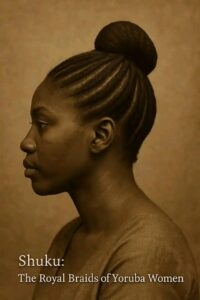
The Cultural Origin of Shuku in Yoruba Tradition
The origin of Shuku can be traced back to ancient Yoruba communities, where it was worn by queens, princesses, and noblewomen. In the past, wearing Shuku symbolized royalty, dignity, and maturity. The style was so revered that only women of high status or those preparing for marriage were allowed to wear it.
Why Shuku Was More Than Just a Hairstyle
Beyond beauty, the Shuku hairstyle played an important role in cultural communication. The style or pattern could signify:
- Social class
- Marital status
- Tribal identity
- Even emotional states or family background
Additionally, elders often used it to pass down traditional knowledge and values to younger women.
The Modern Evolution of Shuku Hairstyles
Today, the Shuku has evolved while still honoring its roots. Many African women now wear modern versions using:
- Wool or thread
- Hair extensions
- Colored attachments
These contemporary styles maintain the traditional upward curve while allowing for personal creativity. Fashionistas and celebrities across Africa and the diaspora proudly wear Shuku to celebrate their heritage.
Why the Origin of Shuku Still Matters
Understanding the origin of Shuku reminds us of the power of African traditions in modern society. It also highlights how beauty and identity go hand in hand. The Shuku is not only timeless—it’s a testament to the strength and pride of African women.
"Give thanks to the Lord for He is good: His love endures forever."
