In northern Nigeria, Fulani communities test marriage candidates through the Sharo rite. During this ceremony, young men strip to the waist and face measured blows from village elders. Suitors demonstrate their courage by standing firm and showing no pain.
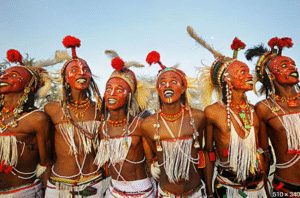
Why Men Choose Sharo
First, suitors seek respect from both families. Next, they display loyalty by enduring hardship for the bride’s family. Finally, when two men pursue the same woman, the one who endures Sharo best wins her hand.
Steps of the Sharo Ritual
- Preparation
Candidates fast and pray to sharpen their focus. - Parade
They march before villagers who shout words of encouragement. - Flogging
Elders swing leather canes with controlled force. - Selection
Spectators and elders applaud the man who shows the greatest resilience. They then grant him permission to marry.
Sharo in Modern Times
Today, rural Fulani still observe Sharo, but urban communities have dropped it. Increased education and legal safeguards encourage less severe courtship rites. Nevertheless, some families keep Sharo alive as a proud link to their heritage.
The Sharo festival is still celebrated in some northern rural communities, but it’s becoming less frequent in urban areas. Education, religion, and human rights awareness have influenced the decline of such practices.
Fulani leaders now adapt Sharo to honor bravery without causing lasting harm. They balance tradition with modern values to protect participants’ health and dignity.
