How To Start Soya Beans Farming In Nigeria
Nigeria is among the largest producers of soya beans in Africa. This article explains how you can start soya bean farming as a business in Nigeria. Soya beans are very nutritious and versatile. They can be cooked, fermented, dried, or processed into flour, milk, and tofu.
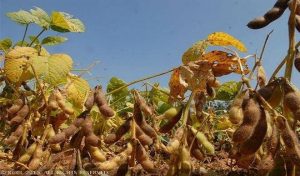
Currently, soya bean farming in Nigeria is mainly done by small-scale farmers. They often grow it alongside other crops like beans, maize, and cassava. Despite this, the global demand for soya beans is high, and farming it is very profitable.
Read 8 Important Things To Consider Before Starting A Business In Nigeria
Features of Soya Beans
- Rich in calcium, protein, iron, fiber, magnesium, and vitamins
- Grows in subtropical, tropical, and moderate climates
- Produces pods that can be used for multiple purposes
- Plant stalks, pods, and foliage are usually covered in grey or brown fleece
See Guide On How To Start A Restaurant Business Here
Soya bean farming can provide employment for a large portion of the population. The plant flourishes in areas with annual rainfall of about 700mm. Proper irrigation can improve yield, especially during pod development and flowering.
Steps To Start Soya Beans Farming
1. Get Suitable Land
Choose land in the South Western or South Eastern zones. Loamy, well-drained soil is best. Avoid waterlogged or sandy soils. If your soil is clay-heavy, mix with mulch or sand. Dry land is preferred over wet, rainy grounds.
2. Select the Right Seeds
Choose seeds based on your goal. For edible green soya beans, select green varieties. For dried beans, choose black varieties. Common Nigerian varieties include TGX 1835-10E, TGX 1485-ID, and TGX 1448-2E. Obtain seeds from reputable seed firms or the Ministry of Agriculture.
"Give thanks to the Lord for He is good: His love endures forever."
3. Seed Rate
Plant 50–60 kg of seeds per hectare.
4. Plant at the Right Time
Planting in May gives the highest yields. Soil temperature should be around 15.5°C, and air temperature around 21°C. Soya beans can be intercropped with onions.
5. Prepare the Seed Bed
Enrich soil with compost or manure if nutrients are low. Proper preparation ensures healthy plants and good yields. Cultivation starts in May/June, with harvesting around October/November.
6. Seed Inoculation
To ensure nitrogen supply, inoculate seeds with Bradyrhizobium japonicum bacteria. This improves plant growth and yield.
7. Seed Planting
Plant seeds 1.5 inches deep, spacing 3 inches apart. Rows should be 30 inches apart. Avoid watering foliage directly to prevent mold.
8. Crop Care
- Fence the farm to protect against rabbits.
- Trim plants and maintain spacing of 4–6 inches.
- Weed regularly to reduce competition.
9. Watering
Water during three key stages: early growth, pod development, and flowering. Keep soil moist but not waterlogged.
10. Harvesting
Harvest three months after planting. Wait until 90% of pods turn brown. Dry weather is preferred for harvesting.
11. Post-Harvest Handling
Dry pods, then thresh to separate beans from chaff. Store beans in bags or silos for sale or processing.
12. Pests and Diseases
Common pests: pod suckers, caterpillars, bean flies, whiteflies, nematodes. Use insecticides for control. Major disease: soya bean rust.
13. Fertilizer Application
Soya beans need minimal fertilizer. Nitrogen fixation occurs naturally through root nodules.
Conclusion
Soya bean farming in Nigeria is profitable and nutritious. Beans can be ground into flour, processed into milk, or cooked in various dishes. With proper land, seeds, and care, you can start a successful soya bean business. For questions, use our comment box below.
