Drug Overdose: Understanding the Risks in Nigeria
An overdose is a medical emergency that requires immediate attention. It occurs when a person takes more than the medically recommended dose of a drug or substance. Overdoses can be unintentional or deliberate and may involve prescription drugs, over-the-counter medications, illicit drugs, or even some herbal remedies.
Drug Overdose in Nigeria
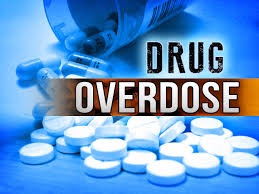
Some people may be more sensitive to certain medications, making even therapeutic doses toxic for them. Overdoses may also occur when a person’s metabolism cannot process a drug quickly enough to prevent harmful side effects. Exposure to toxic substances, plants, or chemicals can also lead to poisoning.
Substances That Can Cause Overdose
- Alcohol
- Medically recommended drugs
- Over-the-counter medications
- Illicit drugs
- Some herbal remedies
Signs and Symptoms of Drug Overdose
Overdose can affect vital signs, including temperature, pulse, respiratory rate, and blood pressure. These may increase, decrease, or be absent. Other symptoms include:
- Breathing difficulties
- Internal bleeding
- Hallucinations
- Visual disturbances
- Abdominal pains
- Vomiting
- Diarrhea
- Damage to specific organs or cells
Occurrence of Drug Overdose
Drug overdoses can occur in two ways:
- Accidental: Taking the wrong drug or dose without knowing the risks.
- Deliberate Misuse: Intentionally taking an overdose to self-harm or attempt suicide.
The risk increases if multiple drugs are taken at the same time or if the body is not accustomed to a particular drug.
"Give thanks to the Lord for He is good: His love endures forever."
Effects of Drug Overdose on the Body
Overdosing can have serious effects on the body. For example, paracetamol (acetaminophen or Panadol), a common pain reliever and fever reducer, can cause:
- Drowsiness
- Seizures
- Abdominal pain
- Nausea and vomiting
- Liver damage if taken above the maximum daily dose
Excess intake may not show effects immediately, sometimes appearing 2–3 days later. Early treatment is essential for effectiveness.
Treatment of Overdose
Treatment depends on the type of drug, dose, method of intake, and any complications. In a hospital, healthcare professionals may:
- Perform a full assessment, including blood tests and psychological review
- Remove drugs from the body using activated charcoal
- Administer antidotes when available (e.g., naloxone for opioid overdose)
Follow-up appointments are important for monitoring recovery, continuing treatment, and providing further assistance.
Conclusion
Drug overdoses can heighten the therapeutic effects of drugs and intensify side effects. Precautions in drug dosage are crucial. As the saying goes, “prevention is better than cure,” and always remember that health is wealth.
Related posts:
 Anwar ul-Islam Girls High School, Ifako/Ijaye
 The Lagoon Secondary School and Modern Secondary Education in Lagos
 Toria School Yaba Lagos: Why Students Need a Laptop from P-Sero for Better Academic Learning
 Best Affordable Laptops for Kings High School, Satellite Town Students
 Best Affordable Laptops for Royal Triple Dee Secondary School Students
 Choosing an Affordable Laptop for Value Plus School Pupils

it’s been highly educative