our smartphones, social media, and endless digital distractions often consume much of our attention. This constant connectivity can lead to stress, burnout, and even affect our mental health. That’s where the concept of digital detox comes in—a break from digital devices to recharge and refocus. This guide explores the benefits of a digital detox and how you can implement it in your daily life.
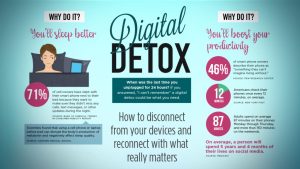
What is a Digital Detox?
A digital detox is a period of time during which a person refrains from using digital devices such as smartphones, laptops, tablets, and social media platforms. The aim is to disconnect from the digital world and reduce screen time in order to focus on real-life experiences and interactions. A digital detox doesn’t mean completely abandoning technology but rather setting healthy boundaries to help regain balance.
Why is a Digital Detox Important?
- Improves Mental Health
Constant exposure to screens and digital content can lead to stress, anxiety, and even depression. Social media comparisons, online news overload, and work emails can all contribute to feelings of overwhelm. A digital detox helps you step away from these stressors and gives your mind a much-needed break. - Boosts Productivity
When you’re constantly distracted by notifications, it can be hard to focus. A digital detox allows you to fully engage in tasks, resulting in better productivity and improved concentration. - Enhances Relationships
Spending less time on your devices means more quality time with family and friends. Whether it’s having a conversation without distractions or spending time together in person, a digital detox can improve your relationships and social well-being. - Improves Sleep Quality
Excessive screen time, especially before bed, can disrupt your sleep cycle. The blue light emitted by screens interferes with the production of melatonin, a hormone that regulates sleep. By reducing screen time in the evening, a digital detox promotes better sleep quality. - Increases Mindfulness and Presence
A digital detox allows you to focus on the present moment and embrace mindfulness. Instead of mindlessly scrolling through social media, you can engage in activities that bring joy and foster personal growth.
How to Do a Digital Detox: Step-by-Step Guide
- Set Clear Goals
Before starting your digital detox, decide how long you want to take a break from your devices. Whether it’s a few hours a day, a weekend, or a full week, setting a goal helps you stay committed to the process. - Identify Your Digital Habits
Take a moment to reflect on your digital habits. Are you checking your phone the first thing in the morning? Are you glued to your laptop during meals? Recognizing your patterns will help you pinpoint where changes are needed. - Establish Device-Free Zones
Designate areas in your home where you won’t use digital devices, such as the dining table or bedroom. This helps create boundaries and fosters healthier routines. - Limit Social Media Usage
Consider limiting your social media usage by setting specific times to check your accounts or using apps that track and limit screen time. Many phones now offer built-in features to monitor and restrict your daily usage. - Replace Digital Time with Offline Activities
During your detox, replace digital activities with offline ones that engage your mind and body, such as reading a book, exercising, journaling, or spending time outdoors. - Inform Others
If you’re planning a digital detox, let friends, family, and colleagues know. This ensures that you’re not missing important messages or work-related updates while you disconnect. - Practice Mindfulness
Use this time to practice mindfulness techniques such as deep breathing, meditation, or yoga. These activities will help you reconnect with yourself and your surroundings without the distractions of technology.
Digital Detox Benefits for Your Overall Wellbeing
- Better Mental Clarity
A break from constant digital input helps clear mental clutter, allowing you to think more clearly and make better decisions. - Increased Creativity
With fewer distractions, your brain has space to think creatively. You might find new ideas or solutions that you wouldn’t have otherwise noticed. - Enhanced Focus
Taking a break from digital devices enables you to concentrate more effectively on tasks, leading to higher productivity levels and better results. - Stronger Connection with Nature
Spending less time on devices allows you to spend more time in nature. Whether it’s going for a walk, sitting in the park, or simply observing your surroundings, nature offers a peaceful environment to reconnect and recharge.
Tips for Maintaining a Healthy Relationship with Technology
- Use Technology Mindfully
Instead of using technology out of habit, be intentional with how you engage with it. Set specific times for checking emails or social media and stick to them. - Set Time Limits
Use apps that help you limit screen time, such as “Do Not Disturb” modes or apps that block social media for specific periods during the day. - Practice Digital Minimalism
Keep only the digital tools that serve a real purpose in your life. Unsubscribe from unnecessary email lists, unfollow accounts that bring negativity, and declutter your digital spaces. - Designate Digital-Free Times
Set aside time during the day when you completely disconnect from all digital devices. This could be during meals, before bed, or on weekends to give your mind and body a break.
Final Thoughts
A digital detox is an effective way to combat digital burnout, reconnect with your surroundings, and focus on your mental and physical well-being. Whether you take a short break or a longer hiatus, the benefits of stepping away from screens are undeniable. Embrace the process, and you’ll find that disconnecting from technology can help you rediscover the joys of offline life.
