HIV stands for Human Immunodeficiency Virus. It is a virus that attacks the immune system, specifically the CD4 cells (T cells), which help the body fight off infections. If not treated, HIV can lead to AIDS (Acquired Immunodeficiency Syndrome).
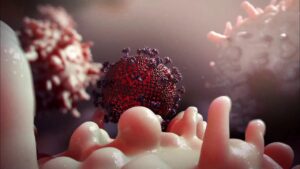
Unlike some other viruses, the human body cannot get rid of HIV completely. So, once someone has HIV, they have it for life. However, with proper medical care, HIV can be controlled.
How Does HIV Spread?
HIV is transmitted through specific body fluids from a person who has the virus. These fluids include:
-
Blood
-
Semen (cum) and pre-seminal fluid
-
Vaginal fluids
-
Rectal fluids
-
Breast milk
Common ways HIV is transmitted include:
-
Unprotected sex with an infected person
-
Sharing needles or syringes
-
Receiving contaminated blood transfusions (rare in modern hospitals)
-
From mother to child during pregnancy, childbirth, or breastfeeding
Note: HIV is not spread through casual contact like hugging, shaking hands, sharing toilets, or sharing dishes.
Symptoms of HIV
HIV symptoms vary depending on the stage of infection. Many people do not know they are infected until later stages. Here’s what to expect:
1. Acute HIV Infection (2–4 weeks after exposure):
-
Fever
-
Sore throat
-
Swollen lymph nodes
-
Fatigue
-
Skin rash
-
Muscle aches
2. Clinical Latency Stage:
This stage can last years. The virus is still active but reproduces at very low levels. Many people may not have symptoms but can still transmit the virus.
"Give thanks to the Lord for He is good: His love endures forever."
3. AIDS (if untreated):
-
Rapid weight loss
-
Extreme fatigue
-
Frequent infections
-
Night sweats
-
Memory loss
Diagnosing HIV
The only way to know your HIV status is through testing. There are three main types:
-
Antibody tests: Detect antibodies your body makes against HIV
-
Antigen/antibody tests: Look for both HIV antibodies and antigens
-
Nucleic acid tests (NATs): Detect the virus in the blood directly
Testing is confidential, affordable, and widely available in Nigeria and many other countries.
Treatment and Management
Although there’s no cure for HIV yet, antiretroviral therapy (ART) helps people with HIV live long, healthy lives. ART reduces the amount of virus in the body to undetectable levels, lowering the risk of transmission.
Taking ART consistently as prescribed can:
-
Strengthen your immune system
-
Prevent the progression to AIDS
-
Reduce the risk of transmitting HIV to others
How to Prevent HIV
Here are effective ways to reduce your risk:
-
Use condoms correctly during sex
-
Get tested regularly and know your partner’s status
-
Avoid sharing needles or sharp objects
-
Take Pre-exposure prophylaxis (PrEP) if you’re at high risk
-
Ensure blood transfusions are screened properly
-
Pregnant women with HIV should follow medical advice to prevent mother-to-child transmission
Living with HIV
Today, living with HIV is very manageable with the right support. People with HIV can work, marry, have children, and live fulfilling lives. The key is regular treatment, emotional support, and education.
Final Thoughts
HIV is not a death sentence. With awareness, early detection, and treatment, people can live long and productive lives. Protect yourself, get tested, and spread the word—not the virus.
