Marriage in Nigeria is more than just a union between two people—it’s a merging of families, communities, and cultures. Among the many ethnic groups in Nigeria, the Tiv and Idoma people of Benue State hold unique and colorful traditions when it comes to marriage. These customs are deeply rooted in respect, negotiation, and community participation.
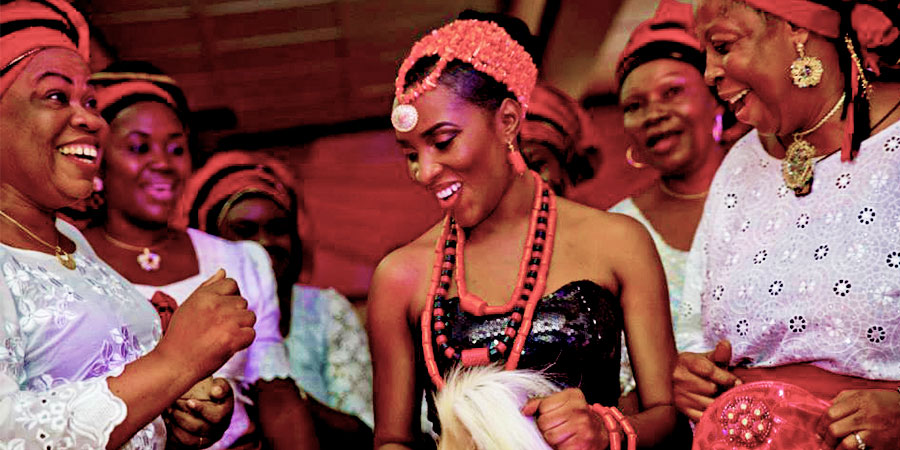
The Tiv Marriage Culture
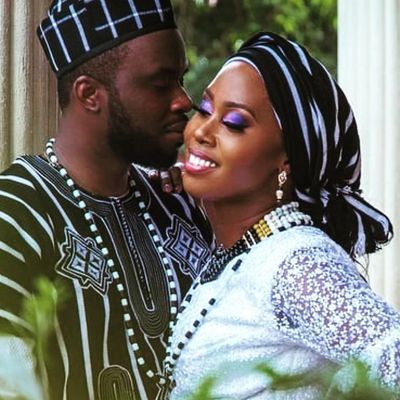
The Tiv people, known for their rich oral history and communal lifestyle, follow a detailed process in their traditional marriage ceremonies.
1. Courtship and Introduction
The process begins with courtship. Once a man expresses interest in a woman, he informs his family. Together, they visit the girl’s family for an informal introduction, known as “Kwase u sha u dedoo” (seeking a good wife). This first visit is friendly and aims to establish a relationship.
2. Bride Price and Negotiations
After the initial meeting, the bride’s family provides a bride price list. This list usually includes:
-
Tubers of yam
-
Palm wine
-
Livestock (goats or chickens)
-
Cash gifts for various family members
-
Cooking items like salt and palm oil
The groom’s family may negotiate the items or request to substitute where needed. Importantly, the focus is not on the wealth of the items, but the sincerity and readiness of the groom.
3. Traditional Marriage Ceremony
On the chosen day, both families gather. Elders from each side oversee the process. The bride is called out and asked to identify her groom, confirming her consent. Celebrations follow with food, music, and dancing, symbolizing the union.
"Give thanks to the Lord for He is good: His love endures forever."
The Idoma Marriage Culture
The Idoma people, mostly in southern Benue, have similar yet distinct practices in their marriage traditions.
1. “Ije Uwala” – The Visit
The first step is “Ije Uwala”, where the groom’s family visits the bride’s family to declare their intention. They go with wine, kola nuts, and a token of appreciation. This initial visit is purely symbolic.
2. Bride Price and Customary List
The bride’s family presents a list of required items, which often includes:
-
Cash for the father and mother
-
A pig or goat
-
Bottles of schnapps and wine
-
Food items and wrappers
-
Money for the bride’s siblings
These items symbolize appreciation and are negotiated with humility and mutual respect.
3. The “Igbanwo” Ceremony
The traditional wedding is called “Igbanwo”. It features cultural dances like “Ogwule” and “Aje Alekwu”. During the event, the bride may be asked to serve drinks or identify her husband among the guests. This public gesture signifies her agreement.
Shared Values and Modern Adjustments
Both the Tiv and Idoma cultures emphasize:
-
Family involvement
-
Respect for elders
-
Peaceful negotiations
-
Community support
However, as times change, many couples simplify the requirements or opt for smaller ceremonies. Still, the core values remain.
Conclusion
Tiv and Idoma marriage traditions are not just about exchange or celebration—they are about unity, love, and shared values. These cultures continue to evolve, yet they remain deeply respected in Benue State and beyond.
For more articles on Nigerian culture or to shop smart tech products like laptops and accessories, visit Psero.com—your trusted Nigerian tech store
