Despite progress in many areas, the inclusion of Female representation in Nigerian politics remains alarmingly low. Nigeria’s 36 states currently have no female governors. This highlights the significant barriers women face in assuming leadership roles. Aisha Wakaso, special adviser on print media to Governor Umar Bago of Niger State, recently addressed these challenges during a lecture organized by Crisp Nigeria in celebration of the 2024 International Youth Day.
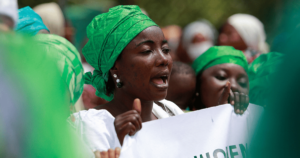
The Current State of Female Representation
Wakaso expressed concern over the absence of female governors in Nigeria. She noted that even when women attain such positions, it often results from unusual circumstances, such as the impeachment of male predecessors. This situation underscores the deep-rooted challenges women encounter when entering politics.
Barriers Facing Women in Politics
Several factors discourage women from participating in politics. Wakaso identified cultural and social norms that favor men as significant hurdles. Women are often subjected to blackmail and personal attacks. These negative experiences deter many from pursuing political ambitions. Additionally, the financial cost of campaigning is a major barrier. Many women lack the economic power to compete with their male counterparts.
The Need for Holistic Reforms
Wakaso called for comprehensive reforms to address the marginalization of women in politics. She emphasized the importance of strengthening legal frameworks to protect women. These reforms would ensure equal opportunities for women in the political sphere. Without these changes, the number of women in leadership roles will likely remain low.
Call to Action
Nigerian leaders and stakeholders must take concrete steps toward gender inclusivity in politics. Strengthening legal protections, addressing cultural barriers, and providing economic support for female candidates are crucial steps. These actions will help create a more balanced political landscape in Nigeria.
Conclusion to Female representation in Nigerian politics
The underrepresentation of women in Nigerian politics is not just a women’s issue—it is a national issue. For Nigeria to achieve true democracy and inclusive development, women must have equal opportunities to participate in leadership. The call for reforms, as highlighted by Aisha Wakaso, is essential for creating a more balanced political landscape in Nigeria.
You May Like Best Online Store to Buy Laptops
"Give thanks to the Lord for He is good: His love endures forever."
