Africa is a continent of rich culture and resources, but some of its countries face serious economic challenges. Burundi consistently ranks as the poorest country in Africa, with one of the lowest GDPs per capita in the world.\
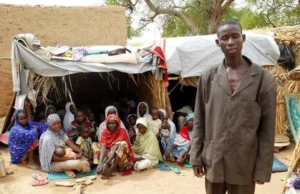
Why is Burundi Considered the Poorest?
According to the International Monetary Fund (IMF) and World Bank reports, Burundi’s GDP per capita is less than $300 USD. This means the average citizen survives on less than a dollar a day.
Several factors contribute to this:
1. Political Instability
Burundi has experienced decades of civil war and ethnic conflict, which have weakened its economy and discouraged foreign investment.
2. Poor Infrastructure
With limited roads, electricity, and technology, many communities remain isolated and underdeveloped.
3. Agricultural Dependence
Over 90% of the population depends on subsistence farming. However, poor farming methods and changing climate conditions affect food production.
4. Limited Education and Healthcare
Access to quality education and healthcare remains low. As a result, many children drop out of school early, and preventable diseases spread easily.
"Give thanks to the Lord for He is good: His love endures forever."
5. High Population Growth
Burundi has one of the fastest-growing populations in Africa, placing even more pressure on already limited resources.
What Can Be Done?
Global organizations and governments are working to:
-
Promote peace and good governance
-
Improve access to education and healthcare
-
Develop rural communities through farming and technology
Final Thoughts
While Burundi currently holds the title of the poorest country in Africa, there is hope. With strategic investments, international partnerships, and internal reforms, its story can change. Poverty is not permanent—it’s a challenge that can be overcome with the right actions.
