In Islam, food is more than sustenance. It is a vital part of spiritual practice, cultural identity, and moral responsibility. The Qur’an and Hadith provide clear guidelines on what Muslims should eat, how they should eat, and why certain foods are allowed or forbidden. These teachings help believers maintain both physical health and spiritual purity.
Halal vs. Haram
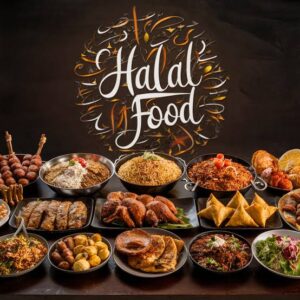
At the core of Islamic dietary rules is the concept of halal (permissible) and haram (forbidden). Halal foods are those allowed by Allah, while haram foods are explicitly prohibited. The Qur’an mentions that Muslims must eat only what is lawful and pure (Qur’an 2:168).
Examples of halal foods include fruits, vegetables, grains, fish, and meat from animals slaughtered in the name of Allah. On the other hand, pork, blood, dead animals (carrion), and intoxicants like alcohol are strictly haram.
Importance of Slaughter Method (Zabiha)
For meat to be halal, it must be prepared through Zabiha, a method of slaughter that includes invoking the name of Allah and swiftly cutting the throat of the animal to drain the blood. This practice is not only spiritual but also hygienic, as it removes harmful toxins.
Eating in Moderation
Islam emphasizes moderation in all things, including food. Overeating is discouraged, as it harms the body and leads to laziness in worship. The Prophet Muhammad (peace be upon him) said: “The son of Adam does not fill any vessel worse than his stomach…” (Tirmidhi). A healthy balance is encouraged—one-third for food, one-third for water, and one-third for air.
Gratitude and Cleanliness
Before and after meals, Muslims are taught to say Bismillah (In the name of Allah) and Alhamdulillah (All praise is due to Allah). These phrases express gratitude for the food provided. Additionally, cleanliness is highly emphasized. The Prophet instructed Muslims to wash their hands before eating and not to waste food, as every morsel is a blessing.
Sharing and Charity
Another key Islamic teaching on food is sharing with others, especially the needy. Feeding others is a highly rewarded act in Islam. During Ramadan, Muslims often provide food for those fasting, and this charitable behavior extends throughout the year.
"Give thanks to the Lord for He is good: His love endures forever."
Fasting and Self-Discipline
Although fasting (Sawm) is not directly about food consumption, it plays a major role in Islamic food discipline. During Ramadan, Muslims refrain from eating and drinking from dawn to sunset. This teaches self-control, empathy for the poor, and appreciation for daily blessings.
Final Thoughts
Islamic teachings on food are not just about what you eat—they reflect how you live. By choosing halal, avoiding excess, showing gratitude, and sharing with others, Muslims fulfill both physical needs and spiritual obligations. In today’s world of fast food and unhealthy habits, these timeless principles offer a balanced and mindful approach to eating.
