Constant power supply in Nigeria is still a major challenge. Whether you’re tired of NEPA interruptions or you want to reduce your generator fuel costs, setting up a mini power system at home is a smart investment. This guide will walk you through what you need, how to set it up, and how much it might cost.
What Is a Mini Power System?
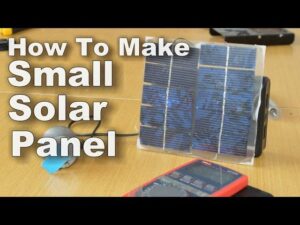
A mini power system is a small-scale independent electricity setup that can power essential home appliances. It usually includes solar panels, inverters, batteries, and sometimes a backup generator. It’s ideal for homes looking for a stable, cost-effective, and clean power alternative.
Components You Need
- Solar Panels
These absorb sunlight and convert it into electricity. Choose panels based on your average daily power consumption. - Inverter
Converts DC (direct current) from your batteries to AC (alternating current), which your appliances use. - Batteries
Store power for use at night or during cloudy days. Deep-cycle batteries are best for home use. - Charge Controller
Regulates the flow of energy from the solar panels to the battery, preventing overcharging. - Cables and Breakers
Essential for safe electrical connections and system protection. - Mounting Tools
For securely fixing the panels on rooftops or open grounds.
Steps to Set It Up
1. Calculate Your Power Needs
Make a list of devices you want to power—like fans, lights, TVs, and chargers—and calculate their total watt usage. For example:
- 3 bulbs (15W each) = 45W
- 1 TV (80W) = 80W
- 1 fan (70W) = 70W
Total: 195W
Now, multiply by usage hours to estimate your daily energy needs.
2. Buy Quality Components
Avoid cheap, unreliable brands. Get solar panels, inverters, and batteries from trusted suppliers like Sukam, Luminous, or Felicity Solar.
3. Install the System
You can hire a certified solar installer or follow YouTube tutorials if you’re DIY-savvy. Ensure:
- Panels are installed facing the sun
- Batteries are placed in a dry, cool area
- All components are properly grounded
4. Test and Monitor Usage
Once connected, test your system. Use an energy monitor or inverter app (if supported) to track power generation and usage.
"Give thanks to the Lord for He is good: His love endures forever."
Estimated Cost in Nigeria
| System Size | Appliances It Can Power | Estimated Cost (₦) |
|---|---|---|
| 500W | Lights, TV, fan | ₦150,000 – ₦250,000 |
| 1kVA | Up to 2 fans, TV, bulbs | ₦250,000 – ₦400,000 |
| 1.5kVA | Fridge, TV, fans, lights | ₦400,000 – ₦700,000 |
Prices vary depending on brand, battery type, and installation.
Conclusion
Setting up a mini power system at home is no longer a luxury—it’s a necessity. While the upfront cost may seem high, the long-term savings on fuel and the peace of mind from uninterrupted power are well worth it.
