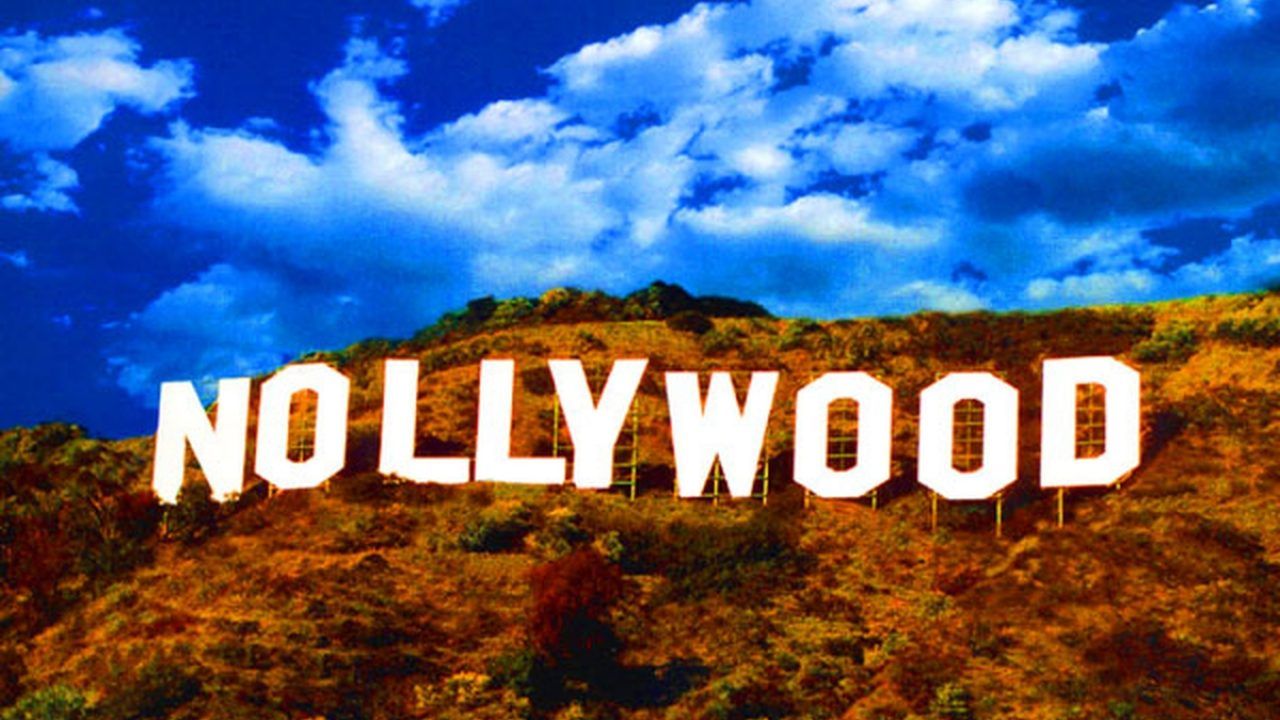
Nollywood, Nigeria’s vibrant film industry, is now Africa’s largest and the second-largest in the world by volume. It produces thousands of films annually, captivating audiences across the continent and beyond. The rise of Nollywood is a story of innovation, cultural expression, and entrepreneurship, rooted in Nigeria’s history and social dynamics.
The Origins of Nollywood
Nollywood began in the early 1990s during Nigeria’s economic struggles. Filmmakers had limited resources for large-scale productions. They turned to video technology, which was more affordable than traditional film equipment. The game-changer came in 1992 with the release of “Living in Bondage,” a low-budget film by Kenneth Nnebue. The movie was a massive success and marked the birth of Nollywood.
Unlike Hollywood and Bollywood, Nollywood did not depend on big studios or cinema releases. Instead, the films were distributed directly to consumers via VHS tapes and later DVDs. This direct-to-video model helped Nollywood reach a wide audience across Nigeria and neighboring countries, bypassing the need for theaters.
Explosive Growth in the 2000s
By the early 2000s, Nollywood was producing over 1,000 films annually, surpassing Hollywood in output. The industry thrived by telling culturally relevant stories. Its films feature themes like family, love, and social issues that resonate with African audiences.
The digital revolution helped Nollywood expand even more. With DVD technology widely available, the films found new markets across Africa and the African diaspora. Easy access to these films turned Nollywood into a cultural powerhouse across the continent.
Nollywood’s Global Reach
As Nollywood matured, it gained international recognition. Film festivals started showcasing Nollywood productions. Streaming platforms like Netflix began acquiring Nigerian films, exposing Nollywood to global audiences. In 2015, Netflix added Kunle Afolayan’s critically acclaimed film “October 1” to its catalog. This marked the start of Nollywood’s growing international appeal. Today, Nollywood movies are widely available on streaming platforms like Netflix, Amazon Prime, and YouTube.
Nollywood’s global exposure also led to collaborations between Nigerian filmmakers and international studios. These partnerships brought in bigger budgets, better production quality, and access to larger distribution networks.
"Give thanks to the Lord for He is good: His love endures forever."
Challenges and Adaptations
Despite its success, Nollywood faces challenges like piracy, poor infrastructure, and inconsistent quality. Piracy has been a major issue, with films often being illegally reproduced and sold. This eats into filmmakers’ profits.
Another challenge is the varying quality of films. Budget constraints have led to lower production values. However, a new generation of filmmakers is focused on improving production standards. Directors like Kemi Adetiba (“The Wedding Party”) and Genevieve Nnaji (“Lionheart”) are producing films with bigger budgets and international appeal.
Nollywood’s Economic Impact
Nollywood isn’t just a cultural force. It’s a major player in Nigeria’s economy, employing hundreds of thousands of people. The film industry is one of the largest employers in the country, second only to agriculture. Nollywood contributes about 2.3% to Nigeria’s GDP, highlighting its economic importance.
The Nigerian government has also taken steps to support Nollywood. Initiatives like the Nollywood Film Fund and the Project ACT Nollywood Fund were launched to improve production quality and provide financing.
The Future of Nollywood
Nollywood’s future looks promising. The industry is becoming more professional, with better training and structured production processes. Streaming platforms are helping Nollywood reach global audiences like never before. With an estimated $1 billion market potential, Nollywood’s influence is set to grow further.
As Nigeria’s middle class grows, demand for high-quality, locally produced content is increasing. This, coupled with efforts to fight piracy and improve infrastructure, suggests Nollywood will continue to thrive both locally and globally.
Conclusion
Nollywood’s rise to Africa’s largest film industry is a testament to Nigerian creativity, resilience, and entrepreneurship. From its humble beginnings with low-budget films, Nollywood has grown into a global force. As the industry continues to evolve, its influence on culture, the economy, and entertainment will only increase.
Related posts:
No related posts.
