Boarding schools offer structure and academic discipline, but they also come with notable drawbacks. Parents must understand these disadvantages before deciding on the best educational setting for their child.
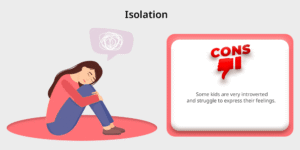
1. Emotional Disconnect from Family
Children in boarding schools often experience emotional distance from their families. They see their parents only during holidays or visiting days. Over time, this can lead to feelings of isolation and weakened family bonds.
2. Limited Parental Guidance
Unlike day schools, boarding schools reduce the presence of parents in a child’s life. Teachers and caregivers provide supervision, but they can’t always replace a parent’s emotional support and life lessons.
3. Increased Peer Pressure
In boarding environments, children interact closely with peers daily. Although social development is important, some kids face intense peer pressure. Without consistent guidance from home, they might pick up unhealthy behaviors.
4. Higher Psychological Stress
Adjusting to the boarding school routine challenges many children. The combination of homesickness, academic pressure, and strict rules can increase anxiety. Kids who lack coping skills may struggle emotionally or mentally.
5. Reduced Personal Attention
In large boarding schools, staff members often focus on managing groups instead of individuals. As a result, some students don’t receive the personalized support they need, especially in academics or emotional issues.
6. Missed Home Values and Skills
Boarding school students may miss out on daily home training. They often lack exposure to cultural traditions, domestic skills, and close family interaction—all of which are important for balanced development.
"Give thanks to the Lord for He is good: His love endures forever."
Conclusion
Although boarding schools provide valuable opportunities, they’re not ideal for every child. Parents should assess their child’s emotional readiness, personality, and needs before making this life-changing decision. A supportive environment—whether at home or in school—is key to raising well-rounded children.
