Welcoming a newborn into the world is a joyful experience, but it also comes with many responsibilities—one of the most important being maintaining proper hygiene. Since a newborn’s immune system is still developing, poor hygiene can easily lead to infections or illnesses. This blog post outlines the best hygiene practices for a newborn, ensuring your baby stays safe and healthy.
1. Wash Your Hands Frequently
Before touching your baby, always wash your hands thoroughly with soap and water. This simple act removes germs that could cause harm. Moreover, ask visitors and other caregivers to do the same.
2. Keep Baby’s Environment Clean
Cleanliness goes beyond just the baby’s body. Be sure to:
-
Change and wash bedding and clothes regularly.
-
Wipe down surfaces, toys, and feeding equipment.
-
Keep pets away from the baby’s sleeping or feeding areas.
Consistently maintaining a clean environment helps reduce the risk of infections.
3. Proper Diaper Hygiene
Newborns require frequent diaper changes. Always:
-
Use a clean surface for changing.
-
Wipe from front to back to avoid infections, especially for girls.
-
Wash your hands before and after every change.
Using a diaper rash cream can also help protect your baby’s delicate skin.
4. Bathe Your Baby Safely
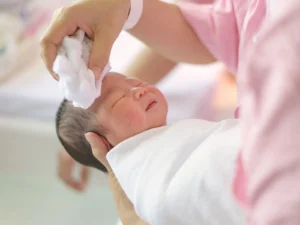
Although daily baths are not required in the first few weeks, sponge baths 2–3 times a week are ideal. Be sure to:
"Give thanks to the Lord for He is good: His love endures forever."
-
Use lukewarm water and mild, fragrance-free soap.
-
Dry the baby completely, especially in skin folds.
-
Clean the umbilical cord area gently and keep it dry until it falls off naturally.
5. Clean Feeding Equipment
Whether you are breastfeeding or bottle-feeding, hygiene remains essential. If using bottles, sterilize them after every use. For breastfeeding mothers, clean your hands and nipples before each feeding session.
6. Trim Nails Regularly
Newborns tend to scratch themselves unknowingly. Therefore, trimming their nails with baby nail clippers keeps their skin protected. Do this while the baby is asleep or very calm to avoid injury.
7. Be Careful with Visitors
Newborns attract a lot of attention, but not every visitor should hold or kiss your baby. Politely ask friends and family to:
-
Wash their hands.
-
Avoid visiting if they feel unwell.
-
Refrain from kissing the baby, especially on the face or hands.
Final Thoughts
In conclusion, maintaining hygiene around your newborn goes a long way in ensuring they grow up healthy and infection-free. By following these best hygiene practices, you’ll create a clean, safe environment that supports your baby’s early development.
