Floods in Nigeria are a recurring issue, especially during the rainy season. However, recent events in August 2024 have highlighted the severity of the situation. This blog post explores An Overview Severe Floods in Northern Nigeria, their impact, and the measures taken to mitigate future disasters.
The Immediate Impact of the Floods
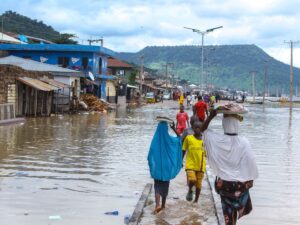
Heavy rains have claimed the lives of at least six people and displaced over 10,000 across 11 communities. The flooding caused rivers, such as the Benue, to overflow, leading to widespread inundation of farmlands, homes, and infrastructure. As a result, thousands sought refuge in displacement camps.
Why This Flooding is Particularly Concerning
Interestingly, the floods occurred earlier than expected this year. Typically, severe flooding is anticipated in September, but climate change and other factors caused the downpours to arrive in August. Consequently, the early arrival of the rains caught many residents off guard. Adamawa State Deputy Governor, Kaletapwa Farauta, expressed concern over the unusual timing of the floods.
Government Response to the Crisis
In response to the flooding, the state government collaborated with the National Emergency Management Agency to set up eight internal displacement camps. These camps provide temporary shelter and support to those affected. While officials noted that the flood may not have been the worst in recent years, they urged residents in low-lying areas to relocate to safer grounds.
Reflecting on the 2022 Floods
Moreover, it is important to recall the devastating floods of 2022, which marked Nigeria’s worst in over a decade. That year, the floods claimed more than 600 lives and displaced around 1.4 million people. The destruction was widespread, with over 400,000 hectares of farmland ruined. This historical context underscores the ongoing risk that communities face each rainy season.
The Influence of Climate Change
Undoubtedly, climate change significantly contributes to the increased frequency and intensity of floods in Nigeria. The early arrival of the rains this year is just one of many indicators that climate patterns are shifting. As the world continues to grapple with climate change, taking proactive measures to protect vulnerable populations becomes increasingly essential.
Conclusion: An Overview Severe Floods in Northern Nigeria
In conclusion, the recent floods in Northern Nigeria highlight the importance of preparedness and resilience. While the government takes steps to mitigate the impact of such disasters, communities must stay informed and take action when necessary. Addressing the underlying causes of these floods, particularly climate change, will be crucial in preventing future tragedies.
"Give thanks to the Lord for He is good: His love endures forever."
