Am i having a heart attack female quiz can be scary for anyone, but for women, recognizing the signs isn’t always straightforward. Unlike the classic image of clutching the chest in severe pain, women often experience more subtle or different symptoms. This article will guide you through understanding heart attack symptoms specific to women and provide a helpful quiz to assess whether you might be experiencing one. Ready? Let’s dive in.
Understanding Heart Attacks in Women
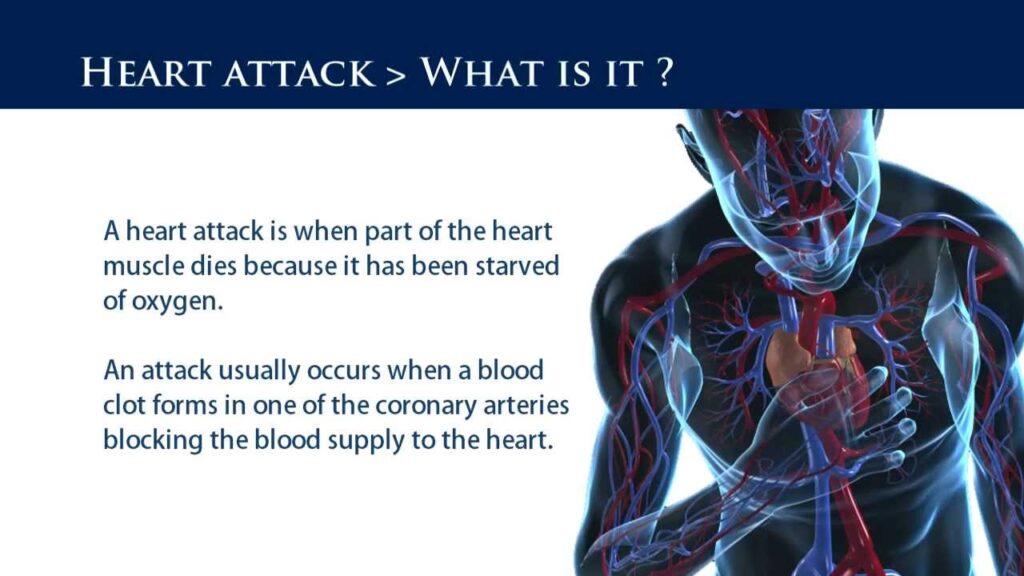
Am i having a heart attack female quiz happens when blood flow to part of the heart muscle is blocked, usually by a blood clot. This blockage starves the heart muscle of oxygen, causing damage or death to the tissue. Heart attacks are a leading cause of death worldwide, but women sometimes overlook their symptoms because they can feel different from the “typical” male experience.
Women also face unique risk factors, including hormonal changes during menopause, pregnancy complications, and autoimmune diseases. Recognizing these differences is crucial.
Common Symptoms of Heart Attack in Women
While chest pain or discomfort is common, women’s heart attack symptoms often include:
- Unusual fatigue: Feeling extremely tired without reason
- Shortness of breath: Even without chest pain
- Nausea or vomiting
- Pain in the neck, jaw, shoulder, upper back, or abdomen
- Lightheadedness or dizziness
- Sweating
These symptoms might come on gradually or suddenly and may be mistaken for less serious conditions.
How to Use This Quiz
This quiz is a quick self-check tool based on common heart attack symptoms and risk factors in women. It is NOT a substitute for professional medical advice or emergency services. If you suspect you are having a heart attack, call emergency services immediately.
The Heart Attack Female Quiz
Answer Yes or No to the following:
- Are you experiencing any chest discomfort or pressure?
- Do you feel unusual fatigue that’s different from your normal tiredness?
- Are you having shortness of breath without exertion?
- Do you feel pain or discomfort in your neck, jaw, shoulder, upper back, or abdomen?
- Have you experienced nausea or vomiting recently?
- Are you feeling dizzy or lightheaded?
- Are you sweating more than usual, especially cold sweats?
- Do you have a history of high blood pressure, diabetes, or high cholesterol?
- Are you a smoker or have you been exposed to secondhand smoke?
- Have you had pregnancy-related complications such as preeclampsia or gestational diabetes?
- Do you have a family history of heart disease?
- Are you over 50 years old?
- Have you experienced stress or anxiety lately?
- Do you have an autoimmune disease or hormonal disorder?
- Have you experienced sudden weakness or numbness on one side of your body?
Analyzing Your Results
- If you answered “Yes” to 1 or more of questions 1-7: You could be experiencing symptoms of a heart attack. Do not wait — seek emergency medical attention immediately.
- If you answered “Yes” to several risk factor questions (8-15): You should talk to your healthcare provider about your heart health and consider screening tests.
- If you answered mostly “No”: That’s good news, but stay aware. Heart attack symptoms can develop unexpectedly.
Risk Factors to Consider
Women’s risk factors include:
"Give thanks to the Lord for He is good: His love endures forever."
- Age: Risk increases after menopause
- Family history: Heart disease in close relatives
- Lifestyle: Smoking, sedentary habits, poor diet
- Medical conditions: Diabetes, hypertension, obesity
- Pregnancy complications: Such as preeclampsia
- Stress and mental health: Chronic stress can impact heart health
Knowing your risk helps you take preventive action.
Preventive Measures
- Eat heart-healthy foods: Plenty of fruits, veggies, whole grains, and lean proteins
- Exercise regularly: Aim for at least 150 minutes of moderate exercise weekly
- Avoid smoking: Including secondhand smoke
- Manage stress: Through relaxation techniques or counseling
- Keep medical conditions in check: Regularly monitor blood pressure, cholesterol, and blood sugar
What to Do If You Suspect a Heart Attack
- Call emergency services immediately (911 in the U.S. or local emergency number)
- Chew aspirin if not allergic: It can help reduce blood clotting
- Rest and stay calm: Avoid physical exertion
- Do not drive yourself: Wait for medical professionals
Quick action saves lives.
How Women Can Advocate for Their Heart Health
Women sometimes face dismissal of symptoms by healthcare providers. Be persistent:
- Describe symptoms clearly
- Ask questions about tests and treatments
- Seek second opinions if needed
- Stay informed about women’s heart health
Common Myths About Heart Attacks in Women
- Myth: Heart attacks only cause chest pain
- Myth: Young women don’t get heart attacks
- Myth: Heart disease is a man’s problem
Awareness breaks myths and encourages early detection.
When to Follow Up After a Heart Attack
- Cardiac rehab programs improve recovery
- Lifestyle changes reduce risk of recurrence
- Regular checkups monitor heart health
Psychological Impact of Heart Attacks
Heart attacks can cause anxiety, depression, and fear. Support groups and counseling can be invaluable.
Resources and Support for Women’s Heart Health
- American Heart Association Women’s Program
- WomenHeart: The National Coalition for Women with Heart Disease
- Local heart health clinics and online resources
Conclusion
Recognising Am i having a heart attack female quiz in women can be challenging but is life-saving. Use this quiz as a quick self-check, know your risks, and never hesitate to seek medical help if symptoms arise. Your heart health matters every day!
Frequently Asked Questions (FAQs)
Q1: Can heart attacks happen without chest pain in women?
Yes, many women experience other symptoms like fatigue, nausea, and jaw pain instead of classic chest pain.
Q2: How quickly should I call emergency services if I suspect a heart attack?
Immediately—delaying treatment can cause serious heart damage.
Q3: Are younger women at risk for heart attacks?
While risk increases with age, younger women with certain risk factors can also experience heart attacks.
Q4: Can stress cause heart attacks in women?
Chronic stress can contribute to heart disease and increase heart attack risk.
Q5: What lifestyle changes help reduce heart attack risk?
Healthy diet, regular exercise, quitting smoking, managing stress, and controlling medical conditions are key.
