Private school teachers form a critical part of Nigeria’s educational system, yet their experiences often go unnoticed. This post sheds light on their roles, struggles, and the path forward.
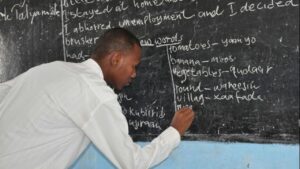
The Role of Private School Teachers in Nigeria
Private school teachers make up a significant percentage of the workforce in Nigeria’s education sector. They are responsible for:
-
Educating millions of students across primary and secondary levels
-
Introducing students to tech-based learning
-
Maintaining classroom discipline and performance
-
Supporting students in national exams like WAEC and NECO
Despite their contributions, most private school teachers face harsh working conditions.
Common Challenges Faced by Private School Teachers
1. Poor Salary Structure
Many private school teachers earn between ₦10,000 and ₦40,000 monthly. Some teachers in rural or low-cost schools earn even less — barely enough for transportation or feeding.
2. No Job Security
Unlike their public school counterparts, private school teachers often work on contract or term-based agreements, with no pension, gratuity, or insurance.
3. Lack of Professional Development
Many private school owners do not invest in teacher training or modern teaching tools. As a result, some teachers feel left behind professionally.
4. Workload and Overstretching
Most private school teachers handle multiple subjects, extra classes, lesson notes, administrative duties, and even extracurricular responsibilities without additional pay.
"Give thanks to the Lord for He is good: His love endures forever."
5. Limited Respect and Recognition
In some areas, teaching in a private school is not seen as a “real” job. This affects self-esteem and morale, especially when compared to government-employed teachers.
Why Do Teachers Still Work in Private Schools?
-
Passion for teaching
-
Lack of alternative jobs in the formal sector
-
Flexibility to teach and run side hustles
-
Hope of gaining experience and moving up
How to Improve the Lives of Private School Teachers
-
Government regulation: Set a minimum wage for private educators.
-
Teacher unions: Organize bodies that advocate for rights and welfare.
-
Training programs: NGOs and state governments can fund digital literacy and classroom management workshops.
-
Parents’ involvement: Demand accountability from schools on teacher treatment.
Conclusion
Private school teachers in Nigeria deserve more than they currently get — better pay, recognition, and a clear career path. They are the unsung heroes shaping the minds of future generations, often without fair compensation.
Related posts:
 Best Affordable Laptops for Voscan Private School Students in Lagos
 Tofek College, Ifako-Ijaiye and the Role of Private Secondary Education in Lagos
 The Foresight International School, Festac Town: Shaping Confident Learners for the Future
 Toria School Yaba Lagos: Why Students Need a Laptop from P-Sero for Better Academic Learning
 Why Kingston High School Students Need a Reliable Laptop for Academic Success
 Best Affordable Laptops for Royal Triple Dee Secondary School Students
 Best Affordable Laptops for De-Joyland School Pupils in Lagos
