Nigeria, a country rich in culture and diversity, observes several public holidays each year. These holidays reflect the nation’s religious beliefs, historical milestones, and cultural values. Understanding their significance helps both locals and foreigners appreciate Nigeria’s heritage.
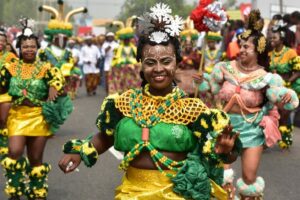
1. New Year’s Day (January 1st)
This holiday marks the beginning of a new calendar year. It’s a time for reflection, resolutions, and celebrations across the country. Many Nigerians attend religious services to thank God for the past year and pray for blessings in the year ahead.
2. Good Friday & Easter Monday
These Christian holidays celebrate the death and resurrection of Jesus Christ. Good Friday commemorates his crucifixion, while Easter Monday follows the joy of resurrection. Churches hold special services, and families gather to celebrate.
3. Workers’ Day (May 1st)
Also known as Labour Day, this day honors the contributions of workers to Nigeria’s economy. Trade unions often organize rallies, and it serves as a day of rest for many employees.
4. Democracy Day (June 12th)
Previously celebrated on May 29, Democracy Day now falls on June 12. It marks the day Nigerians remember the annulled 1993 elections, widely regarded as Nigeria’s freest and fairest. The holiday celebrates the return to civilian rule and democratic governance.
5. Eid-el-Fitr
This Muslim holiday marks the end of Ramadan, the Islamic month of fasting. It is a joyful occasion with prayers, feasting, and giving to the needy. Muslims wear new clothes and visit friends and family to celebrate.
6. Eid-el-Kabir (Sallah)
Also known as the Feast of Sacrifice, this holiday honors the willingness of Prophet Ibrahim (Abraham) to sacrifice his son in obedience to God. Muslims slaughter animals, distribute meat to the poor, and attend mosque prayers.
"Give thanks to the Lord for He is good: His love endures forever."
7. Independence Day (October 1st)
This national holiday celebrates Nigeria’s independence from British colonial rule in 1960. It is marked by parades, presidential addresses, cultural displays, and patriotic festivities.
8. Maulud Nabiy (Prophet Muhammad’s Birthday)
Celebrated by Muslims, this holiday honors the birth of Prophet Muhammad (SAW). Religious leaders organize sermons and prayers, and it’s a time for spiritual reflection and unity among Muslims.
9. Christmas Day (December 25th)
Christmas marks the birth of Jesus Christ. Christians attend church services, host parties, and exchange gifts. Decorations, family reunions, and feasts are common across Nigerian homes.
10. Boxing Day (December 26th)
A day for giving, particularly to the less privileged. Nigerians use Boxing Day to continue their Christmas celebrations and show kindness to others by sharing food, clothes, or gifts.
Conclusion
Nigeria’s holidays reflect its multi-religious and multi-ethnic identity. Whether rooted in faith, history, or labor, each holiday serves a meaningful purpose in uniting Nigerians and celebrating their shared values. Understanding these holidays offers a glimpse into what makes Nigeria vibrant, diverse, and proud.
