In this post, I will be letting you in on the importance of signature and what you need to know.
A signature is a person’s unique way of writing their name or symbol to validate identity, consent, or approval. It can be handwritten or digital. Furthermore, it plays a crucial role in confirming your identity in both physical and virtual interactions.
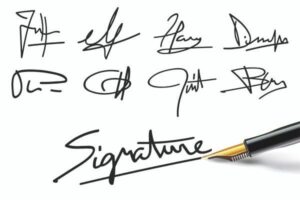
Why is a Signature Important?
1. Proof of Identity
To begin with, your signature acts as your personal stamp. It confirms that the document originated from you or was approved by you.
2. Legal Authorization
Moreover, a signature gives legal validity to documents. Whether it’s an employment contract or property agreement, your signature signifies agreement. In addition, it can be used in court as evidence.
3. Financial Transactions
Banks and financial institutions rely on your signature to verify withdrawals and authorize cheques. Consequently, any mismatch can trigger a security alert.
4. Academic Verification
In schools and universities, signatures are needed on forms, exam sheets, and certificates. As a result, they serve as a consistent form of identification and validation.
5. Digital Security
Electronic and digital signatures help verify identity in emails, contracts, and software licensing. Therefore, they ensure secure and traceable communication.
"Give thanks to the Lord for He is good: His love endures forever."
Types of Signatures
- Handwritten Signature – Traditional and still widely accepted
- Digital Signature – Encrypted and used in electronic documents
- Initials – Often used for quick approval on informal documents
Characteristics of a Good Signature
A strong signature should be:
- Unique enough to prevent forgery
- Consistent across all documents
- Clear for easy verification
- Professional, especially in official settings
Why Consistency Matters
If your signature keeps changing, it could raise doubts about the authenticity of your documents. Hence, for legal and financial matters, always stick to the same version. This builds trust and avoids unnecessary issues.
Final Thoughts
In conclusion, your signature is more than a scribble—it represents your identity. Therefore, whether you are signing a legal agreement, academic record, or business deal, make sure your signature is consistent, legible, and secure.
