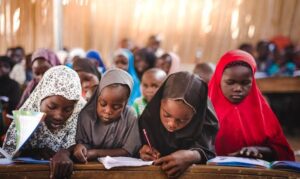
Education is a fundamental right for every child, regardless of gender. However, in many parts of the world, including Nigeria, girls still face barriers to education due to poverty, cultural norms, early marriage, and gender discrimination. Ensuring that girls receive quality education is not just about equality—it has social, economic, and national benefits that impact future generations.
1. Empowers Girls and Boosts Confidence
Education helps girls develop self-confidence and the ability to make informed decisions. When girls are educated, they gain critical thinking skills, knowledge, and independence, allowing them to pursue their dreams and contribute to society.
2. Reduces Child Marriage and Teenage Pregnancies
One of the major reasons why early marriages still exist is lack of education. Girls who are not in school are more likely to be married off at an early age. Studies show that girls who complete secondary education are six times less likely to get married early.
- Education delays marriage and reduces teenage pregnancies.
- Educated girls understand their rights and health, leading to lower maternal mortality rates.
3. Economic Growth and Poverty Reduction
When girls receive an education, they have better chances of getting jobs or starting businesses. This leads to:
- Higher income for families
- Reduced poverty in communities
- A stronger and more productive economy
Educated women invest in their families, ensuring their children also receive education and healthcare, creating a cycle of progress.
4. Improves Health and Reduces Mortality Rates
Education plays a major role in improving healthcare awareness. Educated girls are more likely to:
- Seek proper medical care for themselves and their children.
- Have fewer childbirth complications.
- Understand the importance of hygiene and nutrition.
According to studies, child mortality rates drop significantly when mothers have received at least primary education.
"Give thanks to the Lord for He is good: His love endures forever."
5. Encourages Gender Equality
Educating girls challenges gender stereotypes and promotes equal opportunities in all aspects of life. When girls are given the same education as boys, they:
- Participate in leadership and decision-making.
- Contribute to national development.
- Help break generational cycles of discrimination.
6. Increases Political and Social Participation
Educated girls grow up to be women who participate in governance and leadership. They become advocates for change, pushing for policies that benefit not just women but the entire society.
- Women in leadership create inclusive policies.
- Educated women raise their voices against injustice and discrimination.
7. Creates a More Peaceful and Developed Society
Countries that invest in girl child education tend to have lower crime rates, better governance, and stronger economies. Education helps reduce conflicts and promotes stability by empowering women to take active roles in building communities.
Conclusion
Investing in girl child education is one of the most effective ways to eradicate poverty, improve health, and promote equality. It benefits individuals, families, and entire nations. Governments, communities, and individuals must work together to remove barriers to education and create an environment where every girl can reach her full potential.