HIV (Human Immunodeficiency Virus) remains a significant global health issue. Understanding its symptoms, prevention methods, and treatment options can help individuals make informed decisions to protect their health and well-being.
What Is HIV?
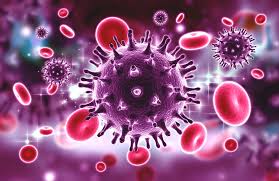
HIV is a virus that attacks the immune system, making it harder for the body to fight infections and diseases. If left untreated, it can progress to AIDS (Acquired Immunodeficiency Syndrome), a severe stage of the disease that weakens the body’s defense against infections.
Early Symptoms of HIV
HIV symptoms can vary depending on the stage of infection. Some individuals may not experience symptoms for years, while others notice early signs within weeks of exposure.
Common Early Symptoms Include:
- Fever
- Chills
- Fatigue
- Swollen lymph nodes
- Sore throat
- Rash
- Night sweats
- Muscle aches
As HIV progresses, symptoms become more severe, leading to rapid weight loss, prolonged diarrhea, and frequent infections.
How HIV Spreads
HIV spreads through bodily fluids such as blood, semen, vaginal fluids, rectal fluids, and breast milk. Common modes of transmission include:
- Unprotected sexual intercourse
- Sharing needles or syringes
- From mother to child during childbirth or breastfeeding
- Blood transfusions with contaminated blood (though rare due to screening processes)
HIV Prevention Strategies
Prevention is key to reducing HIV transmission. The following measures can help lower the risk of infection:
1. Safe Sex Practices
- Use condoms consistently and correctly.
- Get tested regularly for HIV and other sexually transmitted infections (STIs).
- Reduce the number of sexual partners.
- Consider pre-exposure prophylaxis (PrEP), a daily medication that reduces the risk of HIV infection.
2. Avoid Sharing Needles
- Always use sterile needles for medical procedures, tattoos, or drug use.
- Seek needle exchange programs or safe injection sites if necessary.
3. Regular HIV Testing
- Early detection allows for better management and prevents the spread of the virus.
- Encourage partners to get tested before engaging in unprotected sex.
4. Prevention of Mother-to-Child Transmission
- Pregnant women living with HIV should take antiretroviral therapy (ART) to reduce the risk of passing the virus to their baby.
HIV Treatment Options
Although there is no cure for HIV, effective treatments help individuals live long, healthy lives. The primary treatment for HIV is antiretroviral therapy (ART), which involves taking a combination of drugs to:
"Give thanks to the Lord for He is good: His love endures forever."
- Reduce the amount of virus in the blood
- Strengthen the immune system
- Prevent HIV from progressing to AIDS
- Lower the risk of transmitting the virus to others
Living with HIV
A positive HIV diagnosis is not a death sentence. With proper treatment and a healthy lifestyle, individuals with HIV can lead fulfilling lives. Support groups, counseling, and medical care play essential roles in managing the condition.
Conclusion
Understanding HIV: Symptoms, Prevention, and Treatment is crucial in controlling the spread of the virus. Regular testing, safe practices, and early treatment help manage HIV effectively. By staying informed and taking preventive measures, individuals can protect themselves and others from the virus.
If you suspect exposure to HIV, get tested immediately and seek medical advice for the best course of action.
Related posts:
No related posts.
