Building a strong personal brand is essential for standing out, whether you’re an entrepreneur, freelancer, or a professional in any field. Your personal brand is your reputation—it’s how others perceive you based on your actions, values, and public presence. A strong personal brand can open doors to new opportunities, attract potential clients, and establish you as a thought leader in your industry.
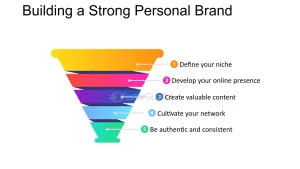
This guide walks you through the steps to create and nurture a powerful personal brand that will help you succeed in your career or business.
What is a Personal Brand?
A personal brand is the unique combination of skills, experiences, and personality that you want the world to see. It’s the narrative that others associate with you. In the age of social media and digital platforms, it’s no longer enough to be good at what you do; you need to actively manage how you’re perceived. Your personal brand encompasses everything from the content you share to how you communicate and interact with others.
Why is Building a Personal Brand Important?
1. Attracts Opportunities
A well-established personal brand helps you attract new career or business opportunities. When people know who you are and what you stand for, they are more likely to reach out with opportunities that align with your values and expertise.
2. Enhances Credibility and Trust
A strong personal brand builds trust and credibility, which is essential in any professional relationship. People are more likely to work with or hire someone they trust and perceive as an expert in their field.
3. Empowers Your Career
Your personal brand can help you land better job offers, promotions, and freelance projects. It makes you stand out in a sea of competition and elevates your career to the next level.
4. Supports Business Growth
If you’re an entrepreneur or freelancer, a solid personal brand serves as a marketing tool for your business. People often buy from those they know and trust, and your personal brand helps you establish that connection.
"Give thanks to the Lord for He is good: His love endures forever."
Steps to Building a Strong Personal Brand
1. Define Your Purpose and Values
The first step in building a personal brand is to define what you stand for. Identify your core values, beliefs, and the purpose behind your career or business. What makes you unique? What drives you? Knowing the answers to these questions will guide your brand messaging and ensure consistency in how you present yourself.
- Example: If you are passionate about sustainable living, your personal brand could reflect that by promoting eco-friendly products, services, and lifestyle tips.
2. Know Your Target Audience
Who do you want to influence with your personal brand? Your audience will vary based on your career or business focus. Define your target audience, whether they are potential clients, employers, industry peers, or a general community. Understanding your audience will help you create relevant content and build connections.
3. Develop a Consistent Visual Identity
Your personal brand’s visual identity is essential for creating recognition. This includes your logo (if applicable), colors, fonts, and how you visually present yourself across social media and professional platforms.
- Tip: Use the same professional photo across all platforms, and maintain a consistent color scheme for your website, business cards, and social media profiles.
4. Showcase Your Expertise
A personal brand is only as strong as the value it provides. Consistently showcase your expertise in your field through blogs, social media posts, videos, or podcasts. Share your experiences, offer valuable insights, and stay updated on trends to demonstrate your knowledge and commitment to your craft.
- Example: If you’re a digital marketer, you might write blog posts about SEO, share case studies, or create tutorial videos on marketing strategies.
How to Leverage Social Media for Personal Branding
Choose the Right Platforms
Not all social media platforms are created equal. Select platforms that align with your target audience. For example, LinkedIn is great for professionals, while Instagram works well for visual content.
Engage Regularly
Social media is about creating meaningful interactions. Reply to comments, share others’ content, and participate in discussions to build rapport with your audience.
Be Consistent
Use consistent messaging, tone, and visuals across all platforms. This helps reinforce your personal brand identity and ensures you’re easily recognizable.
Tips for Maintaining Authenticity
1. Be Yourself
Authenticity is critical in personal branding. People connect with genuine personalities. Share your successes and struggles to build relatability.
2. Share Your Story
Your personal journey can inspire others. Talk about the challenges you’ve faced and how you overcame them. This makes your brand more human and relatable.
Soliciting Feedback and Adapting Over Time
Personal branding is not a one-time effort—it requires ongoing evaluation and adaptation. Seek feedback from colleagues, clients, or your audience to understand how you’re perceived. Use this feedback to make improvements while staying true to your core values.
Conclusion
Building a strong personal brand is essential in today’s interconnected world. By defining your purpose, engaging with your audience, and maintaining consistency, you can create a personal brand that elevates your career or business. Remember, authenticity and ongoing effort are key to sustaining a brand that resonates with others.
