Malaria is a significant health issue in many parts of the world, including Nigeria. While seeking medical treatment is essential, preventive steps and home care can help reduce the risk of contracting malaria and aid in managing symptoms if infection occurs.
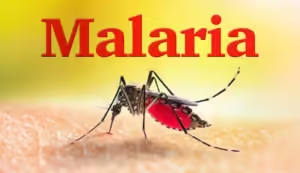
Preventing Malaria at Home
- Use Mosquito Nets and Screens
Sleeping under an insecticide-treated mosquito net is one of the most effective ways to prevent malaria. These nets are treated to repel mosquitoes and are particularly useful at night when mosquitoes are most active. - Apply Mosquito Repellents
Use repellents on exposed skin, especially at dawn and dusk when mosquitoes are most active. Look for repellents containing DEET, picaridin, or lemon eucalyptus oil. - Install Window and Door Screens
Installing screens on windows and doors can help keep mosquitoes out of your home. Ensure there are no gaps, and repair any holes that could allow mosquitoes inside. - Clear Stagnant Water
Mosquitoes breed in stagnant water. Regularly check for standing water around your home (such as in pots, gutters, and old tires) and remove it to prevent mosquito breeding. - Use Indoor Insecticides
Indoor insecticides, especially those with residual action, can help control mosquito populations within your home. Spray dark corners, behind furniture, and other mosquito hiding places. - Wear Protective Clothing
If you’re going out during peak mosquito hours, wear long-sleeved clothing and trousers to protect as much skin as possible.
Recognizing Malaria Symptoms
Early detection is key in managing malaria effectively. Look out for these common symptoms:
- High Fever
- Chills and Sweating
- Headaches
- Muscle Aches
- Fatigue
- Nausea and Vomiting
If you experience these symptoms after potential exposure, seek medical assistance for testing and treatment.
Treating Malaria at Home
- Take Antimalarial Medication
Upon diagnosis, a doctor may prescribe antimalarial drugs such as artemisinin-based combination therapies (ACTs). Always follow the prescribed dosage and complete the full treatment to ensure all parasites are eradicated. - Stay Hydrated
Malaria can cause dehydration, especially if vomiting or fever occurs. Drink plenty of water, oral rehydration solutions, and hydrating fluids to maintain your body’s fluid balance. - Use Fever-Reducing Methods
High fevers are common with malaria. Use cool compresses and wear light clothing to help reduce body temperature. Over-the-counter fever reducers like acetaminophen can also help, but always consult a healthcare professional before combining with antimalarial medication. - Rest as Much as Possible
Rest is vital for recovery, as malaria can cause extreme fatigue. Take time off from physical activities, allowing your body to heal and regain strength. - Supplement with Immune-Boosting Foods
Consuming a balanced diet rich in fruits, vegetables, and lean proteins can help boost immunity and support recovery. Foods like oranges, tomatoes, ginger, and leafy greens are particularly beneficial.
When to Seek Immediate Medical Help
Even with home care, severe symptoms may require urgent medical attention. Seek immediate help if you experience:
- Severe vomiting or diarrhea
- Difficulty breathing
- Severe abdominal pain
- Altered mental state, like confusion or drowsiness
Conclusion
While preventing malaria requires consistent effort, these practical steps can reduce your risk. Regular use of nets, repellents, and other preventive methods helps keep mosquitoes at bay, while early treatment and home remedies can support recovery if infection occurs.
"Give thanks to the Lord for He is good: His love endures forever."
