In pre-colonial Nigerian societies, women played vital roles that shaped the political, economic, and social fabric of their communities. Far from being figures, they were involved in trade, agriculture, religious activities, and even political leadership. Despite regional and ethnic differences, women across the diverse cultures of pre-colonial Nigeria had significant influence and agency, contributing to the development of their societies in various ways.

Political Influence and Leadership
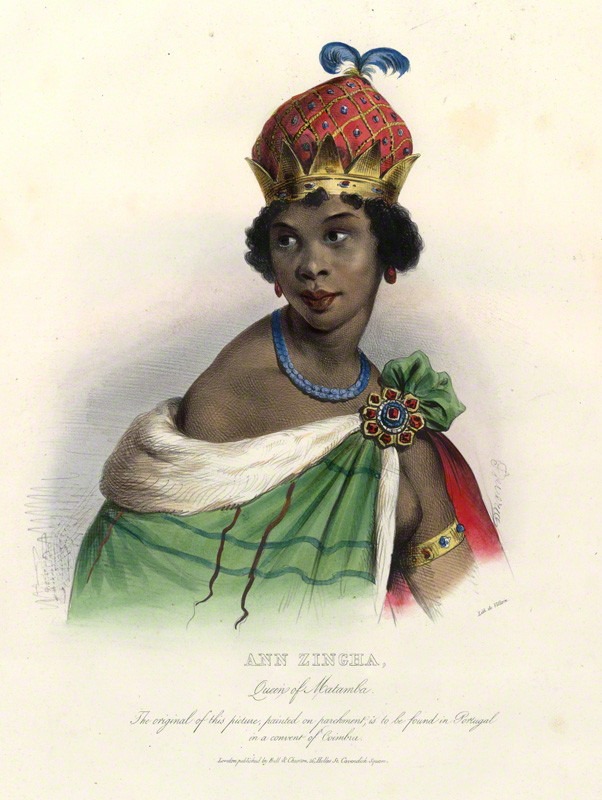
In many pre-colonial Nigerian societies, women held positions of authority and influence in the political sphere. For example, among the Yoruba, the Iyalode was a powerful title granted to women who acted as representatives of female interests in governance. Similarly, among the Igbo, the Omu, or female ruler, co-ruled with the male king and had considerable power over women’s affairs. These roles demonstrate that women were not excluded from political decision-making but were recognized as important stakeholders in governance.
In the Hausa-Fulani states, women also played key roles in politics. The Magajiya, for instance, was a woman leader responsible for managing female quarters and had authority in local governance. Moreover, women in royal households, especially queens and princesses, wielded significant political power, often advising kings and influencing policies behind the scenes.
Economic Contributions
Women were central to the economic life of pre-colonial Nigeria, particularly in agriculture and trade. In most regions, they were primarily responsible for farming food crops such as yams, cassava, and vegetables. Their contributions to agriculture were critical to the sustenance of their families and communities. Additionally, in the southeastern part of Nigeria, women formed cooperative labor groups, known as “Umuada” in Igbo communities, to assist each other in farming and other economic activities.
Trade was another significant area where women thrived. In many pre-colonial markets, women dominated local and long-distance trade. Among the Yoruba, women were renowned for their role as traders, with many becoming wealthy and influential through their involvement in commerce. The Yoruba market women, often organized under a leader known as the Iyalode, controlled the distribution of goods such as textiles, salt, and pottery. Women in Igbo society also participated actively in trade, especially in palm oil, salt, and fish.
"Give thanks to the Lord for He is good: His love endures forever."
Religious and Spiritual Roles
Women held important roles in the religious and spiritual life of pre-colonial Nigerian societies. They served as priestesses, diviners, and custodians of traditional religious practices. For instance, the Igbo goddess Ala, the earth goddess, was revered as the protector of fertility, and her priestesses played an integral role in the spiritual life of the community. These priestesses were responsible for performing rituals, offering sacrifices, and advising on matters related to agriculture, fertility, and justice.
In Yoruba society, women also served as Ifa priestesses, performing divination and guiding their communities on spiritual matters. The influence of women in religious roles extended beyond traditional African religions, as women were often central to the introduction and spread of Islam in northern Nigeria, playing a part in religious scholarship and teaching.
Social and Cultural Influence
Women in pre-colonial Nigeria were also custodians of cultural practices and values. They played critical roles in raising children and maintaining social cohesion within their communities. Through oral traditions, storytelling, and rituals, women passed down cultural knowledge, values, and traditions from generation to generation.
Moreover, women were instrumental in organizing social activities and festivals. In many communities, they were responsible for preparing and leading ceremonies, especially those related to marriage, birth, and death. Their participation in these social rituals ensured the continuation of cultural practices and strengthened communal bonds.
Challenges and Limitations
Despite their significant contributions, pre-colonial Nigerian women also faced challenges and limitations, particularly in patriarchal societies where men held dominant positions in political and religious hierarchies. In some regions, their roles were confined to certain areas of life, and their authority was often mediated through male relatives. However, even within these constraints, women found ways to exert influence and assert their autonomy.
Conclusion
Women in pre-colonial Nigerian societies were integral to the political, economic, religious, and social spheres of their communities. Their contributions went beyond the household and extended to governance, trade, and spiritual leadership. While they faced challenges due to patriarchal structures, they continually found ways to assert their influence and shape the development of their societies. Understanding the roles of women in pre-colonial Nigeria is essential to appreciating the depth and complexity of the country’s historical and cultural heritage.
