When Nigeria was on the verge of entering the mobile telecommunications age, a pivotal moment in its technological development almost passed by unnoticed. Former President Olusegun Obasanjo recently shared an untold story about how a $280 million telecom deal was nearly handed away for just $3 million. This revelation underscores the importance of strong leadership and sound economic decisions in driving national progress.
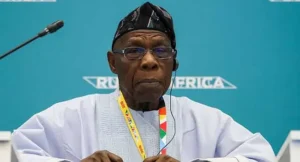
The Close Call: Abdulsalami’s $3 Million Offer
Before mobile phones became a household item in Nigeria, the country relied on outdated landline systems that offered limited access to the global communications network. Only about 500,000 telephone lines existed, and it wasn’t uncommon to see long queues at telephone kiosks. At this critical time, major telecommunications companies saw potential in Nigeria’s vast market and expressed interest in providing mobile services.
However, General Abdulsalami Abubakar, Nigeria’s then-head of state, was reportedly ready to award the mobile telecommunications deal to a group of friends for a meager $3 million. Had this deal gone through, Nigeria would have missed out on an opportunity that would later be worth hundreds of millions of dollars.
Obasanjo’s Smart Auction Strategy
When Olusegun Obasanjo assumed office, he recognized the immense value of mobile telecommunications and opted for a more transparent approach. Instead of granting the deal to private interests for a small sum, he suggested that the contract be auctioned to the highest bidder. The result? Three telecom giants paid a combined $280 million for the rights to provide mobile services in Nigeria.
MTN, Glo, and Econet (now Airtel) entered the market, and their competition significantly improved service availability and pricing for Nigerians. The introduction of these companies revolutionized communication across the country and laid the foundation for the widespread mobile usage we see today.
Etisalat Joins the Game
Following the success of the initial auction, Etisalat (now 9Mobile) joined Nigeria’s telecom industry. Building on the precedent set by the earlier auction, Obasanjo’s administration ensured that Etisalat paid $450 million to enter the competitive market. This strategic move ensured that Nigeria received fair compensation for its growing telecom sector and continued to promote healthy competition.
"Give thanks to the Lord for He is good: His love endures forever."
The Lesson: Creating an Environment for Growth
Obasanjo’s story is a reminder of how critical it is to foster a conducive environment for investments. The money to develop Nigeria’s infrastructure is available, but without transparent governance and sound economic policies, such opportunities could easily slip away.
By advocating for auctions instead of backdoor deals, Obasanjo ensured Nigeria’s telecom sector thrived, bringing in significant revenue and improving the lives of millions of Nigerians.
What This Means for Nigeria’s Future
The success of Nigeria’s telecom auction demonstrates the importance of attracting the right investments at the right time. As Nigeria continues to develop its infrastructure, whether in telecommunications or other sectors, leaders must focus on creating an open and competitive business environment that maximizes the country’s economic potential.
For businesses looking to invest in Nigeria or Nigerians seeking new opportunities, it’s clear that a strategic approach pays off. Even today, industries like technology, real estate, and e-commerce offer untapped potential for investors.
One example is Psero, an online store specializing in laptops and tech products. As Nigeria embraces the digital age, platforms like Psero help bridge the gap between consumers and the tech solutions they need.
Conclusion
The story of how Nigeria nearly lost out on a $280 million telecom deal serves as a powerful reminder of the value of good leadership. By prioritizing national interest over private gain, Obasanjo’s administration set the stage for the country’s telecom revolution. This lesson applies beyond the telecom industry—whether in governance, business, or everyday decision-making, the right strategy can make all the difference.
