Since President Bola Tinubu assumed office on May 29, 2023, the cost of fuel in Nigeria has surged by 460%, reaching N897 per liter. This marks the latest in a series of significant fuel price hikes, bringing the total to 30 adjustments over the past 51 years. Here are 8 Biggest Hikes in Fuel Price in Nigeria.
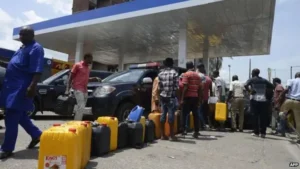
The history of fuel price hikes in Nigeria began in 1973 when General Yakubu Gowon increased the price from 6 kobo to 8.45 kobo. Over the years, various administrations have implemented drastic changes. Some of the most significant increases include:
- Shonekan (1993): From 70 kobo to N5, a 614.29% rise.
- Abacha II (1994): From N3.25k to N15, marking a 361.54% increase.
- Tinubu (2023): From N195 to N557, a 282.74% rise.
- Tinubu (2024): From N617 to N897, increasing by 145.38%.
- Abubakar I (1998): From N11 to N25, a 127.27% hike.
- Buhari’s Term (2020): From N87 to N195, representing a 124% rise.
- Jonathan I (2012): From N65 to N141, a 116.92% increase.
- Tinubu (2023): From N557 to N617, a 110.77% rise.
The impact of these hikes has been profound, affecting various sectors and the everyday lives of Nigerians. Despite these challenges, the government continues to justify the price adjustments as necessary for economic stability and development.
The timeline of fuel price changes in Nigeria reflects the country’s ongoing struggle with balancing fuel subsidies and market realities. As fuel prices continue to rise, the ripple effects on the economy and citizens remain a significant concern
