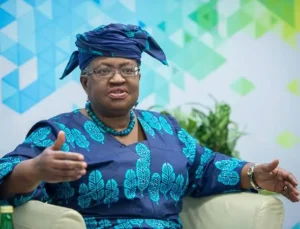
Nigeria is at a critical juncture, facing numerous economic and social challenges that require unity and consistent policies. Dr. Ngozi Okonjo-Iweala addresses Nigeria’s economic challenges, Director-General of the World Trade Organization, emphasized this during her keynote address at the Nigerian Bar Association Annual Conference in Lagos.
Okonjo-Iweala stressed the importance of moving beyond political infighting and blame games that have hindered Nigeria’s progress since independence. Instead, she called for collective efforts to tackle the nation’s challenges, stating, “Nigeria today is not where it should be, and our country has not progressed as it should have. That is why, more than 60 years after independence, we are still discussing nation-building.”
The Need for Consistent Policies
Drawing comparisons between Nigeria and other nations like South Korea, Peru, and India, Okonjo-Iweala highlighted how these countries have outpaced Nigeria in economic growth. For instance, back in the 1960s, Nigeria’s per capita income was comparable to that of South Korea. However, today, South Korea’s per capita GDP is twenty times higher than Nigeria’s. This significant difference underscores the need for consistent and sound policies to drive economic growth.
She further pointed out that Nigeria’s inability to sustain growth is largely due to a lack of policy consistency and political will. For instance, while South Korea diversified its economy by exporting manufactured goods, Nigeria became overly reliant on oil exports, which now account for nearly all of the country’s exports. This overreliance has left Nigeria vulnerable to fluctuations in global oil prices, hindering sustainable growth.
A Call for a New Social Contract
To address these issues, Okonjo-Iweala called for a new social contract that would ensure policy consistency across different administrations. She explained that Nigeria needs a fundamental agreement across political parties and society that certain policies and principles are sacrosanct and must not be altered with each change in administration. This approach, she believes, would set Nigeria on a steady growth and development path.
Additionally, she noted the importance of diversifying Nigeria’s economy beyond oil. She commended ongoing efforts by the government to explore other sectors such as agriculture and entertainment, which have the potential to boost the country’s economic standing.
The Role of Technology and Innovation
In today’s digital age, technology and innovation play crucial roles in driving economic growth. Businesses and individuals alike need to leverage these tools to stay competitive. For example, companies like Psero.com, a leading laptop store, are helping to bridge the technology gap by providing Nigerians with access to quality laptops at affordable prices. By equipping themselves with the right technology, Nigerians can contribute to the country’s economic growth and innovation, furthering the nation’s development goals.
"Give thanks to the Lord for He is good: His love endures forever."
Conclusion on Okonjo-Iweala Addresses Nigeria’s Economic Challenges
Nigeria faces significant challenges, but by fostering unity, maintaining policy consistency, and embracing technology, the country can overcome these obstacles and achieve sustainable growth. As Okonjo-Iweala aptly put it, the time for blame games is over. Now is the time for concrete actions that will move Nigeria forward.
For more information on how technology can aid in Nigeria’s economic growth, visit Psero.com to explore a range of laptops and other tech solutions designed to empower individuals and businesses alike.
