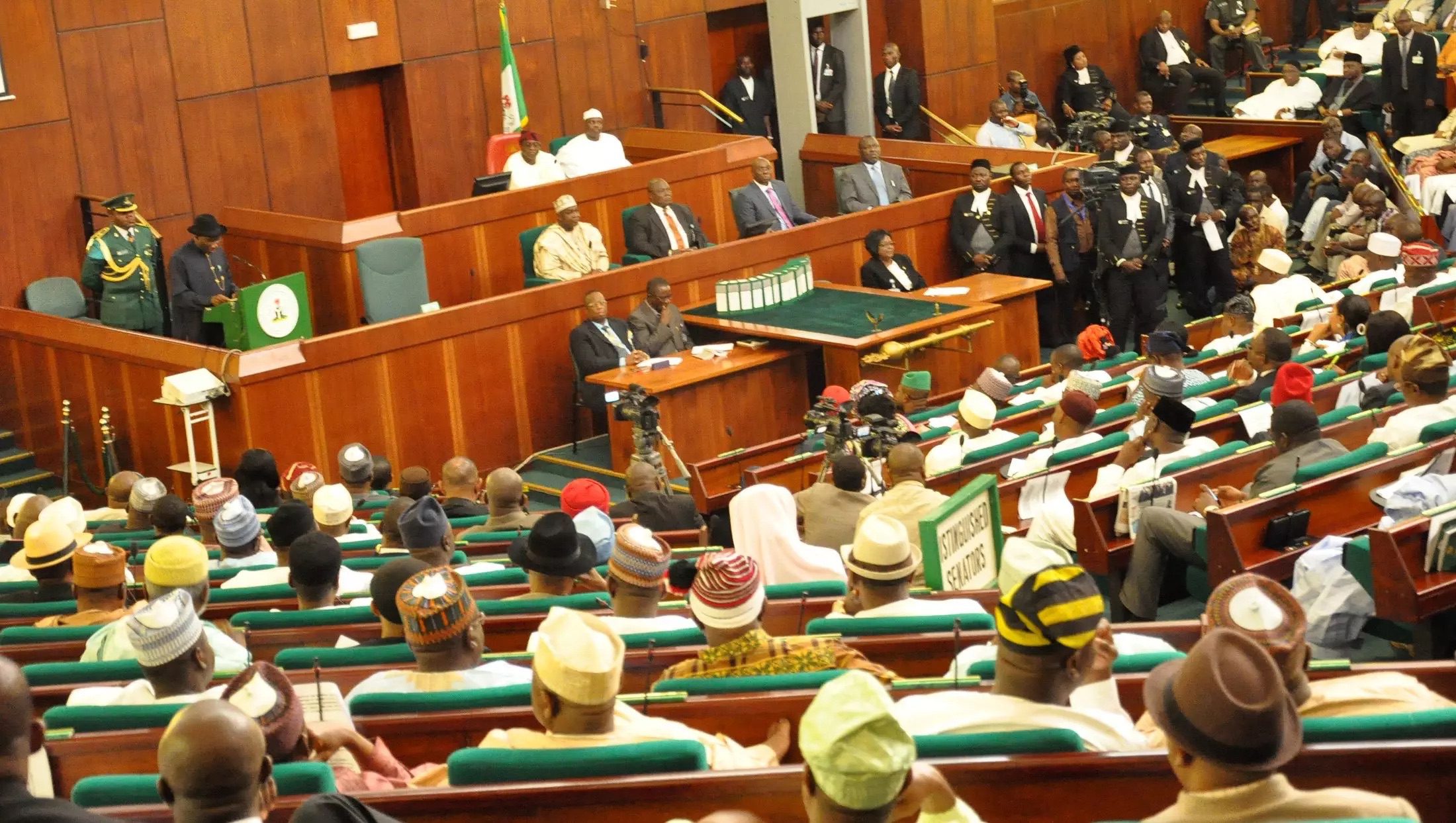
The revelation of the N21m jumbo allowances for Nigerian lawmakers has sparked widespread outrage. Citizens are calling for the prosecution of these lawmakers, accusing them of benefiting unfairly from Nigeria’s struggling economy. This post delves into the details of this controversy and the public’s demand for change.
The Controversy Unveiled Over N21m Jumbo Allowances
Former President Olusegun Obasanjo recently criticized Nigerian lawmakers for their inflated salaries and allowances, describing them as “immoral” and “scandalous.” According to Obasanjo, the Senate and House of Representatives have been awarding themselves excessive payments, including a staggering N200 million each.
In response, the Revenue Mobilisation, Allocation and Fiscal Commission (RMAFC) clarified that senators are officially paid around N1.06 million monthly. However, Senator Sumaila Kawu disclosed that the total take-home pay, including other allowances, is approximately N21 million, sparking further outrage.
Public Outrage and Reactions over N21m Jumbo Allowances
The revelation of these jumbo allowances has sparked a national outcry. Citizens and public figures alike have condemned the lawmakers for their perceived insensitivity in the face of Nigeria’s economic hardship. Many argue that while the average Nigerian struggles to meet basic needs, lawmakers are living in luxury.
- Elder Joseph Ambakederimo criticized the lawmakers for their excessive pay, calling it a “drain” on Nigeria’s resources.
- Archbishop Raphael Opoko lamented the disparity between lawmakers’ earnings and the minimum wage, urging leaders to focus on fixing the country rather than enriching themselves.
- Furoebi Akene and Algoa Morris called for drastic reforms, including reducing the number of lawmakers and cutting down on their allowances to better reflect Nigeria’s economic realities.
Calls for Reform
The growing outrage has led to demands for systemic changes. Many Nigerians are advocating for:
- Prosecution of Lawmakers: Hold lawmakers accountable for violating laws related to their salaries and allowances.
- Salary Reductions: Implement significant cuts to lawmakers’ allowances to align with the country’s economic conditions.
- Increased Transparency: Ensure full disclosure of all allowances and benefits received by public office holders.
Conclusion
The public’s reaction to the N21 million allowances for Nigerian lawmakers underscores a critical need for reform in Nigeria’s governance and salary structures. As citizens demand accountability and transparency, it is crucial for lawmakers and relevant authorities to address these concerns and implement necessary changes.
Call to Action: For more details on twhere to purchase quality laptops in Nigeria, check out Psero.
"Give thanks to the Lord for He is good: His love endures forever."
