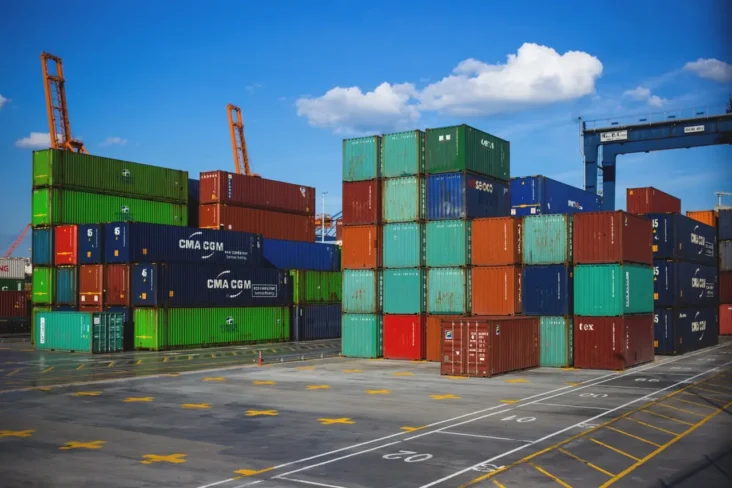
Importing and exporting goods in Nigeria can be complex, but it is also rewarding. Whether you are a seasoned business owner or a newcomer venturing into international trade, understanding the processes, requirements, and challenges is essential. Here are answers to frequently asked questions to guide you through the import/export journey in Nigeria.
1. What Are the Initial Steps to Start an Import/Export Business in Nigeria?
To get started, you should:
- Register Your Business: First, register with the Corporate Affairs Commission (CAC) to legally operate your business.
- Obtain a Tax Identification Number (TIN): This is necessary for dealing with government agencies and making payments.
- Register with the Nigeria Export Promotion Council (NEPC): You’ll need this if you’re exporting goods.
- Open a Corporate Bank Account: This is crucial for receiving payments and handling transactions.
- Apply for an Export License (if needed): Specific licenses may be required depending on the product.
2. What Documents Do You Need for Importing Goods into Nigeria?
Some essential documents include:
- Proforma Invoice: Exporters issue this document to importers, detailing the goods and prices.
- Bill of Lading (or Air Waybill): This serves as proof of shipment.
- Commercial Invoice: It shows the final sales price and details of the shipment.
- Packing List: This outlines the contents of each shipment package.
- Certificate of Origin: It confirms the country where the products were produced.
- Pre-Arrival Assessment Report (PAAR): Nigeria Customs Service issues this report to clear goods at the port.
3. What Key Documents Are Required for Exporting Goods?
For exporting goods, you must have:
- Form NXP: Banks require this mandatory form to declare exports.
- NEPC Registration Certificate: This provides proof of your registration with the Nigeria Export Promotion Council.
- Commercial Invoice and Packing List: These documents detail the goods and their value.
- Certificate of Quality: For specific products, a quality inspection certificate may be necessary.
- Bill of Lading (or Air Waybill): You’ll need this for sea or air shipments.
4. How Do You Register with the Nigeria Export Promotion Council (NEPC)?
To register:
- Visit the NEPC Website: Start by downloading and completing the application form.
- Submit the Required Documents: For instance, include your CAC registration, TIN, and corporate bank account details.
- Pay the Registration Fee: Make your payment online or at designated banks.
- Complete the Application: Once approved, they will issue you an NEPC certificate.
5. What Are the Most Commonly Imported and Exported Goods in Nigeria?
Imported Goods include electronics, machinery, pharmaceuticals, and automobiles. In contrast, exported goods are usually crude oil, cocoa beans, cashew nuts, and solid minerals like limestone and zinc.
6. What Role Does the Nigeria Customs Service (NCS) Play in Trade?
The NCS plays a critical role by:
- Inspecting Goods: Officers ensure imported and exported goods comply with Nigerian laws.
- Collecting Tariffs and Duties: Importers pay customs duties before they can clear their goods.
- Issuing the Pre-Arrival Assessment Report (PAAR): This document is necessary for clearing goods at the port.
7. How Do You Calculate Import Duties in Nigeria?
Import duties depend on:
- Customs Value of Goods: This includes the cost, insurance, and freight (CIF).
- Tariff Classification: They categorize goods under the Harmonized System (HS) code.
- Duty Rate: Product types determine the rate, though essential goods may have lower rates.
8. How Can You Pay for Goods When Importing from Other Countries?
You can pay using:
- Letters of Credit (LC): Banks securely transfer funds to the supplier once they ship the goods.
- Bills for Collection: Banks release payments after verifying shipment documents.
- Direct Wire Transfers: Suitable for trusted suppliers, though it carries some risks.
9. What Challenges Do Importers and Exporters Face?
Some challenges include:
- Bureaucratic Delays: Clearing goods at ports may take time due to extensive paperwork.
- Exchange Rate Fluctuations: Changes in the naira’s value can increase import costs.
- High Tariffs and Duties: Taxes and fees, especially for non-essential goods, can be substantial.
- Corruption and Bribery: Be wary of illegal demands for fees at customs checkpoints.
10. What Are the Penalties for Violating Import/Export Laws in Nigeria?
Violations could lead to:
- Seizure of Goods: Customs may confiscate goods if they lack proper documentation.
- Fines: Authorities may impose heavy fines for non-compliance with trade regulations.
- Blacklisting: Frequent offenders risk blacklisting, which prevents future trade.
11. How Can You Ensure Compliance with Nigerian Trade Regulations?
To stay compliant:
- Work with Licensed Agents: Customs brokers can handle documentation and clearance.
- Keep Updated on Trade Policies: Frequent changes in Nigerian trade laws mean staying informed is essential.
- Attend Training Sessions: The NEPC and other trade bodies often offer training on compliance.
12. How Do You Manage Forex Challenges When Importing?
Due to fluctuating exchange rates:
- Secure Forward Contracts: Lock in rates in advance with your bank.
- Hold a Dollar Account: This can protect you against naira depreciation.
- Use Reliable Payment Gateways: Services like Paystack or Flutterwave can facilitate secure payments.
13. Do You Need Certification to Export Agricultural Products?
Yes, you need:
- Quality Inspection: Agencies like the Standards Organisation of Nigeria (SON) perform inspections.
- Health Certification: NAFDAC issues health certificates for perishable goods.
- Phytosanitary Certificate: This ensures agricultural products are pest-free.
Conclusion
Importing and exporting goods in Nigeria can be profitable if you understand the regulations, prepare the right documents, and stay informed about changes in trade policies. By following best practices and collaborating with trusted professionals, you can successfully navigate challenges and grow your business in the Nigerian market.